
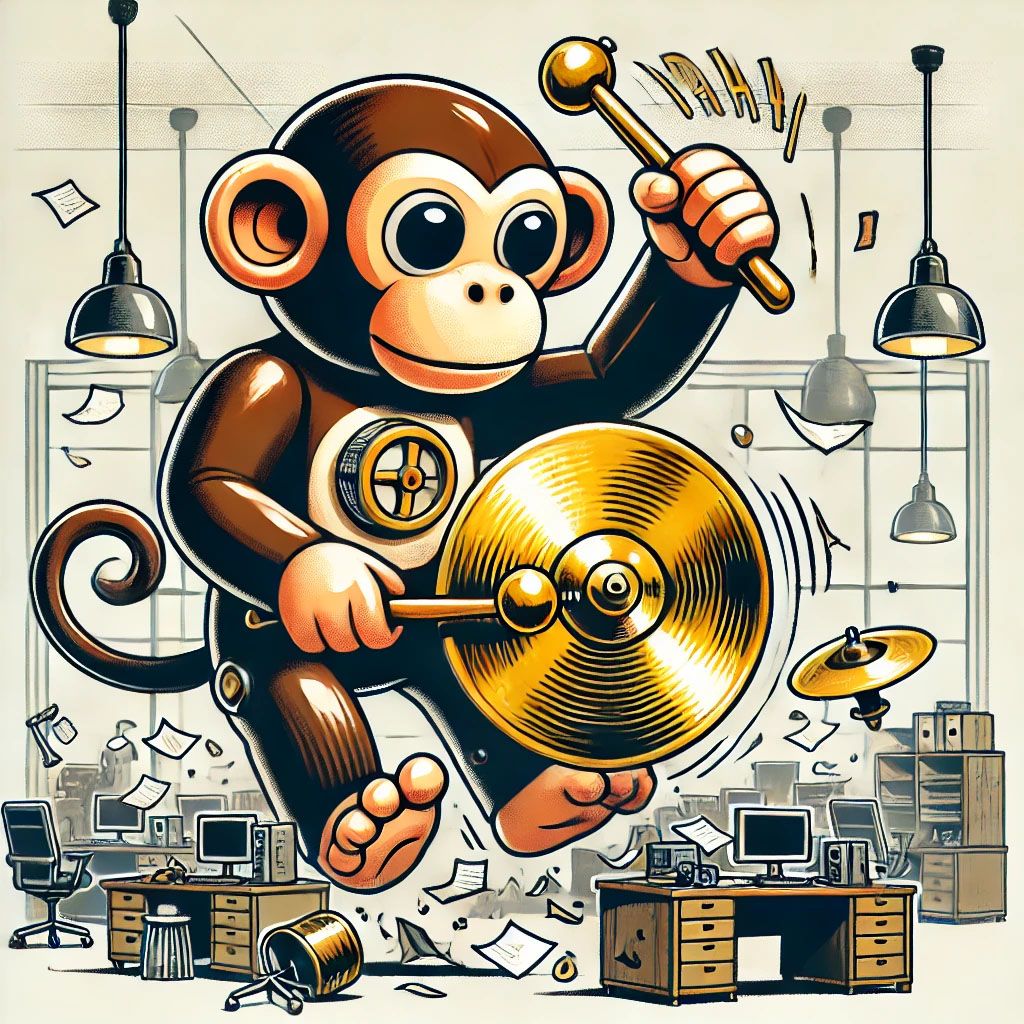

Automation promises efficiency, consistency, and scale. Organizations invest in tools, workflows, and integrations hoping to remove friction from their operations. Yet many automation initiatives quietly stall or get abandoned after an initial burst of enthusiasm. The technology works. The logic is sound. The dashboards look impressive. But over time, small issues accumulate, no one feels responsible for improving the system, and what once looked like progress turns into another fragile layer of complexity.
The problem is rarely automation itself. The problem is ownership.
Automation Is Not a Product by Default
Many teams treat automation as a technical exercise instead of an operational product. A workflow is built to solve a specific problem, often under time pressure. It connects systems, moves data, or triggers actions. Once it works, it is considered “done.”
But automation changes how people work. It alters responsibilities, shifts decision-making, and introduces new failure points. Without someone accountable for maintaining and evolving it, automation becomes invisible infrastructure that nobody actively manages.
Ownership means more than maintaining uptime. It involves understanding why the automation exists, what outcomes it should drive, and how it should adapt as the business changes. When automation lacks ownership, teams continue building new flows on top of old assumptions, and complexity grows faster than value.
The Illusion of Efficiency
Automation often starts with a clear win. A repetitive task disappears. A manual process becomes instantaneous. Metrics improve. Leadership sees tangible results and encourages more initiatives.
The danger is that efficiency gains can hide structural problems. If the underlying process is unclear or poorly defined, automation amplifies confusion at scale. Instead of fixing bottlenecks, teams create faster ways to move flawed decisions through the system.
Ownership provides the feedback loop needed to avoid this trap. Someone has to ask whether the automation is still aligned with the original goals, whether users understand it, and whether the business context has changed. Without that perspective, automation becomes a rigid layer that teams work around rather than with.
Tools Don’t Create Accountability
Modern automation platforms make it easy to connect services, trigger actions, and build workflows without extensive engineering effort. This accessibility is powerful, but it also creates a hidden risk: responsibility becomes diffuse.
When multiple teams can create automation, no single team feels accountable for the long-term health of the ecosystem. Workflows multiply quickly. Documentation becomes inconsistent. Knowledge stays with individuals rather than the organization.
Ownership is not about limiting who can build automation. It is about defining who stewards it. That role includes maintaining standards, reviewing changes, and ensuring that automation serves the broader system rather than isolated use cases.
Without ownership, automation becomes a collection of clever solutions instead of a coherent strategy.
Automation Is a Socio-Technical System
One of the most overlooked aspects of automation is that it reshapes human behavior. When tasks disappear, people’s roles evolve. Decision-making shifts from individuals to workflows. Communication patterns change because systems now interact directly with each other.
If teams focus only on the technical layer, they miss the human dimension. Employees may not trust automated decisions. Managers may bypass workflows when under pressure. New hires may not understand why certain processes exist.
Ownership bridges the gap between technology and operations. It ensures that automation is explained, documented, and aligned with how teams actually work. It also creates a clear point of contact when something breaks or needs improvement.
Organizations that treat automation as purely technical often struggle with adoption. Those that assign clear ownership create systems that evolve alongside their teams.
The Cost of “Set and Forget”
A common misconception is that automation reduces the need for ongoing work. In reality, automation shifts the nature of work from execution to governance. Someone must monitor performance, refine logic, and adapt to new requirements.
Without ownership, automated workflows accumulate hidden risks. A small change in an external system can break integrations. A new regulation can make existing logic non-compliant. Data models evolve, but workflows continue operating on outdated assumptions.
These issues rarely appear immediately. They emerge gradually, often noticed only when a critical process fails. At that point, the cost of fixing the system is much higher than if it had been actively maintained.
Ownership transforms automation from a static asset into a living system. It ensures that improvements happen incrementally rather than through disruptive overhauls.
From Automation Projects to Automation Products
Teams that succeed with automation tend to treat it as a product rather than a project. They define clear goals, assign accountable owners, and measure outcomes over time. They expect workflows to evolve, not remain frozen.
This shift changes how automation is planned and delivered. Instead of asking, “Can we automate this task?” teams ask, “Who will own this process once it exists?” They consider governance, monitoring, and iteration from the beginning.
Ownership does not require large teams or complex structures. Sometimes it means assigning a product owner who understands both the business context and the technical system. In other cases, it involves establishing shared standards that ensure consistency across workflows.
What matters is clarity. When ownership is explicit, automation becomes a foundation for growth instead of a fragile shortcut.
Why Ownership Matters More in AI-Driven Automation
As automation increasingly incorporates AI capabilities, the need for ownership becomes even more critical. AI systems introduce variability and require continuous evaluation. Prompts, models, and data sources evolve quickly. Without someone responsible for overseeing these changes, AI-driven workflows can drift away from their intended purpose.
Ownership ensures that AI automation remains aligned with business goals rather than becoming an experimental layer detached from real outcomes. It also helps organizations manage risks related to accuracy, compliance, and user trust.
Instead of viewing AI automation as a collection of features, organizations benefit from seeing it as part of a broader system that requires stewardship and accountability.
Signs Your Automation Lacks Ownership
Many organizations recognize the symptoms before they understand the root cause. Workflows fail without clear escalation paths. Documentation is outdated or missing. Teams hesitate to modify automation because they are unsure who created it or why.
Another sign is fragmentation. Multiple workflows perform similar tasks in slightly different ways because each team builds its own solution. Over time, this creates a landscape that is difficult to maintain and harder to scale.
Establishing ownership does not eliminate complexity overnight, but it provides a framework for gradually bringing automation under control.
Building Ownership Into Your Automation Strategy
Ownership starts with visibility. Organizations need a clear understanding of what automation exists, what problems it solves, and who depends on it. From there, teams can define roles that combine technical expertise with operational understanding.
It also requires a mindset shift. Automation should not be seen as a one-time efficiency project but as part of the organization’s operating model. The goal is not just to automate tasks but to design systems that teams can rely on over time.
When ownership is embedded into the strategy, automation becomes more resilient. Teams feel confident evolving workflows because they know who is responsible for guiding change.
Automation That Actually Scales
Automation succeeds when it is supported by clear ownership, thoughtful governance, and a product mindset. The most effective organizations do not chase automation for its own sake. They focus on building systems that people trust and understand.
Without ownership, automation becomes another layer of complexity that teams struggle to manage. With ownership, it becomes a catalyst for sustainable growth, enabling organizations to move faster without sacrificing clarity or control.
At Zarego, we help teams design automation as part of a broader system, not as isolated features or disconnected workflows. That means aligning technology with real operational ownership from the start, so automation continues delivering value long after launch.
If your organization is investing in automation but struggling to scale it effectively, let’s talk.
